

Are you a good Ambassador?
This article was originally published by Evangelicals Now
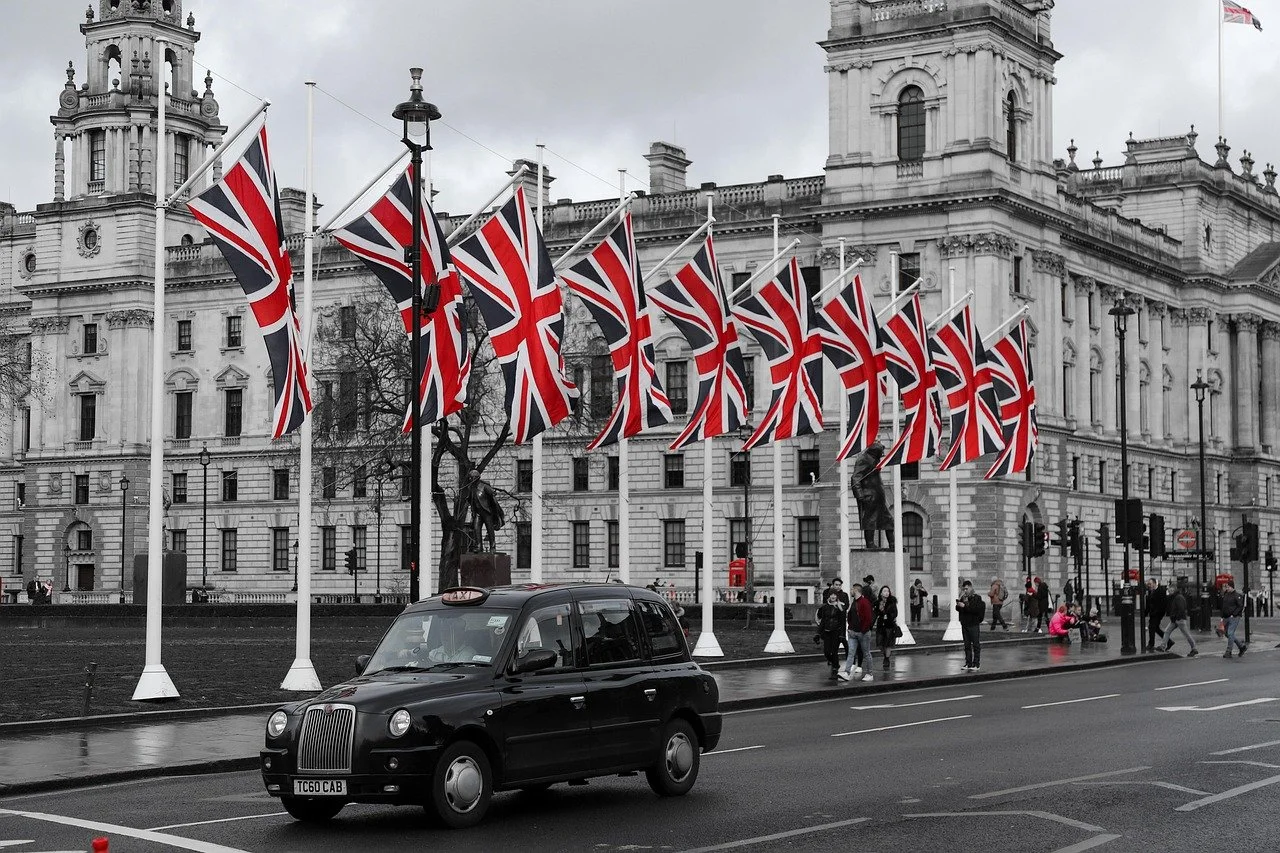
Despite not really liking Ferrero Rocher chocolates, I have spent a lot of time over the last 5 years with ambassadors - first as the former Prime Minister’s Deputy Special Envoy for Freedom of Religion or Belief, and now as I finish my time as Adviser to the Chair of the Article 18 Alliance of religious freedom envoys. Ambassadors can be seen in public but rarely heard. Like the best referees or umpires, whom you don’t really notice until after the match that they have done a good job. (Although the old cricket umpire legend the late Dicky Bird was of course an exception). It is why the recent public criticism around former US Ambassador Peter Mandleson proved fatal to his career.
I have seen though the good in ambassadors and how often private, robust, consistent advocacy alongside great Christian organisations like ADF, CSW and Open Doors can help lead to the release of prisoners of conscience. Like Anwar Kenneth, a 72 year old Christian from Pakistan, who was arrested in 2001 for sending letters deemed blasphemous towards Islam. In July 2002, a Lahore court sentenced him to death after he pleaded guilty, declaring, “God is my counsel”, but was finally acquitted and released in October. However, it is not the end of Anwar’s plight as he needs sanctuary away from Pakistan. Pray for Anwar, that across the world including the UK there will consume to be a safe place for those persecuted for their faith or belief.
There are actually a good number of Christian ambassadors who we should pray for as they seek to be like Daniel in exile, faithfully being trustworthy. The UK also has a Christian Special Envoy for Freedom of Religion or Belief - David Smith MP. Being an ambassador is a natural calling for all Christians, which Paul reminds us about in 2 Corinthians 5. To be an ambassador means that we represent another kingdom than the one we are currently in. We belong to the kingdom of Christ, not to the kingdoms of this world. Whilst at times Paul would claim the rights of his Roman citizenship, supreme in his mind was the fact that he belonged to Christ and to his kingdom, and that shaped his understanding of who he was. To use another metaphor that Paul uses in his letter, we are exiles. We are strangers in a strange land. This world is not really our home.
Paul writes in2 Corinthians 5v8: “We are confident, I say, and would prefer to be away from the body and at home with the Lord.” Do we share that confidence - amidst all the trappings and traps of this world preferring to be at home with the Lord? Here’s one of the implication - it means that we actually have more in common with a Pakistani Christian like Anwar, than we do with a British non-Christian. Do you believe that? You have more in common, if you belong to the kingdom of Christ, with a fellow believer who lives in a completely different culture, in a completely different society, belongs to a different country, has different citizenship, whose beliefs in many ways may be wildly different than yours. You have more in common with him or her than you do with say your next-door neighbour or work colleague who is a fellow citizen but is not a citizen of heaven.
It means we have an allegiance and primary care for fellow citizens of Christ’s kingdom wherever they are living. Particularly our brothers and sisters in need being persecuted and imprisoned for being citizens of heaven. Perhaps a healthy reminder - not least when our politicians debate issues of allegiance and nationhood.
David Burrowes
Co-Founder and Director of Conservative Christian Fellowship